

Restoring Weathered Wood Deck Surfaces
Deck Painting & Staining in Tyler for outdoor living spaces damaged by sun and moisture
Deck surfaces fade, splinter, and absorb water when protective coatings wear away under constant sun exposure and seasonal rain cycles. The service begins with power washing to strip away dirt, algae, old stain residue, and surface fibers loosened by weathering, followed by inspection for boards that need repair or replacement before any coating is applied. Faithful Painting addresses decks that have turned gray from UV damage, show mildew staining, or feel rough underfoot due to raised wood grain—all conditions that accelerate further deterioration if left unprotected.
Wood deck restoration improves both appearance and function by sealing the surface against moisture penetration that leads to rot, applying slip-resistant finishes that reduce fall risk when boards are wet, and enhancing color to coordinate with outdoor furniture or home exteriors. Homeowners choose this service when planning to use deck space more frequently or preparing properties for sale where outdoor living areas significantly influence buyer impressions.
Request an inspection to identify boards requiring repair and receive recommendations on stain versus paint based on your deck's wood type and condition.
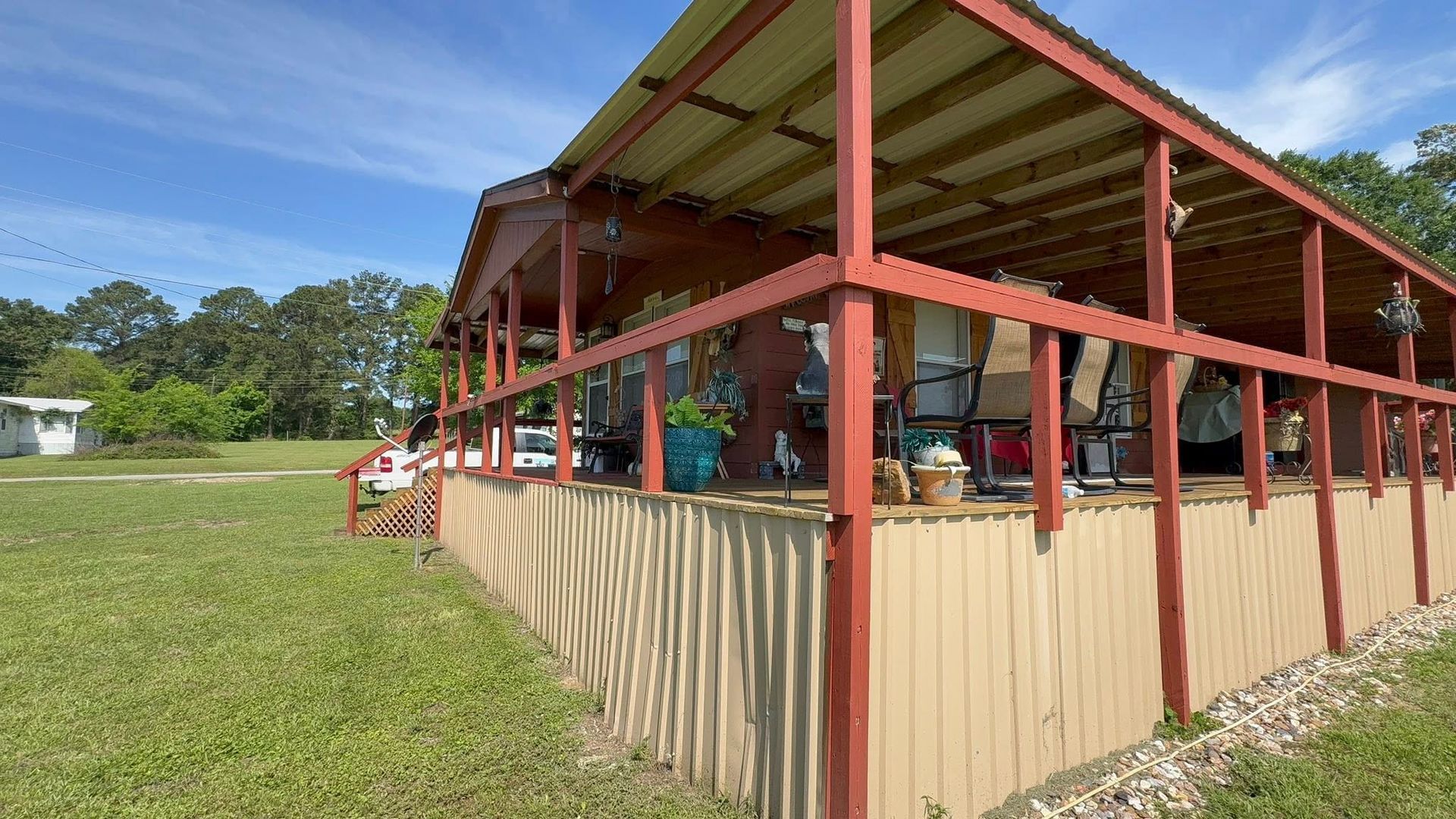
What You Notice Once Deck Refinishing Is Finished
Power washing removes the gray oxidized layer and embedded dirt, revealing the lighter natural wood color underneath, though heavily weathered decks may still show some discoloration even after cleaning. Staining or sealing then enriches that base color and provides a uniform appearance across boards that naturally vary in tone. Semi-transparent stains allow wood grain to show while adding color depth, and solid stains or paints cover imperfections and variations in board quality or previous repair patches.
After the coating cures, you see consistent color without blotchy absorption patterns, a surface that beads water instead of soaking it in, and boards that no longer splinter or feel rough when walked on barefoot. Slip-resistant additives in topcoats reduce the slickness that develops on smooth wood when wet, an important safety consideration for decks around pools or in shaded areas that dry slowly after rain.
Deck coatings require reapplication every two to four years depending on traffic levels, sun exposure, and whether you select penetrating stains that wear faster or film-forming products that last longer but may eventually peel if moisture gets underneath. Annual cleaning and inspection help catch early coating wear before water damage starts, extending the time between full refinishing projects and preventing expensive board replacement caused by neglect.
Questions Before Starting Your Project
Deck refinishing decisions often hinge on understanding product options and realistic performance expectations under Tyler's outdoor conditions.
What preparation is included before staining a deck?
Preparation includes power washing to remove dirt and failed coatings, allowing wood to dry completely, sanding rough areas or raised grain, replacing damaged boards if needed, and cleaning between deck boards to prevent dirt from washing onto freshly stained surfaces during the first rain.
How does Tyler's humidity affect deck stain drying time?
High humidity slows solvent evaporation and water-based stain curing, often extending drying time from the labeled 24 hours to 48 hours or more, which is why spring and fall scheduling offers more predictable results than summer's muggy conditions or winter's temperature fluctuations.
When should I replace deck boards instead of refinishing?
Replace boards that flex excessively underfoot, show soft spots indicating rot, have large cracks that split through the board thickness, or display extensive splintering that sanding cannot smooth—refinishing only makes sense when the underlying wood structure remains sound.
Why do some deck stains fail within one season?
Failures typically result from applying stain over damp wood that had not dried fully after cleaning, using products not rated for horizontal surfaces that receive constant moisture exposure, or skipping the cleaning step and staining over dirt that prevents proper adhesion.
What finish works best for high-traffic deck areas?
Solid stains or deck paints with slip-resistant additives hold up better under foot traffic than semi-transparent stains, which wear through faster in high-use zones like doorways and stairs, though they require more prep work during reapplication since they form a surface film rather than penetrating wood.
Faithful Painting restores outdoor deck surfaces with coatings designed to handle UV exposure and moisture cycles common in East Texas. Contact us to schedule a deck evaluation and discuss finish options suited to your usage patterns and maintenance preferences.